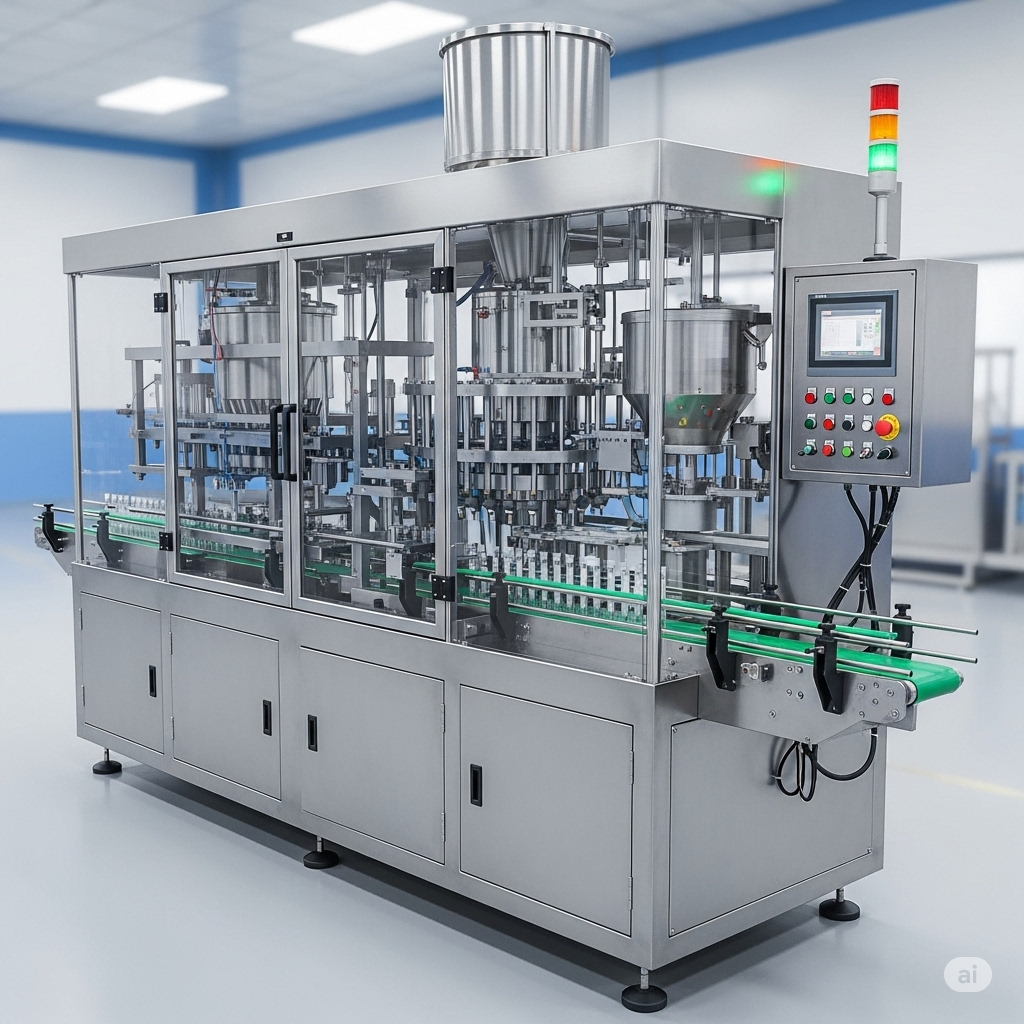
Automatic Tube Filling Machine Solutions by Square Pharma Machineries
If you manufacture creams, ointments, gels, or other paste-based products, choosing the right packaging equipment can have a direct impact on production efficiency and consistency. An Automatic Tube Filling Machine helps automate the filling and sealing process, allowing manufacturers to handle tube packaging with greater speed, accuracy, and consistency.
Whether you are setting up a new production line or upgrading existing equipment, understanding how an automatic tube filling machine works and what features to consider can help you select equipment that matches your production requirements.
Why Every Production Line Needs an Automatic Tube Filling Machine
Manual tube filling can require significant operator involvement and may result in variations in filling quantity, slower production, and higher product handling. An automated machine is designed to standardize the filling process and maintain consistent output during production.
Depending on the machine configuration, an automatic tube filling system can perform multiple operations, including tube feeding, filling, sealing, coding, and tube discharge. Automation can help reduce repetitive manual work while supporting consistent production.
For manufacturers handling larger production volumes, automation can also improve workflow and make it easier to maintain a standardized packaging process.
What Makes Square Pharma a Trusted Automatic Tube Filling Machine Manufacturer
Selecting a machine manufacturer is an important part of setting up a reliable packaging line. The equipment should match the product characteristics, tube specifications, production capacity, and operational requirements of the facility.
Square Pharma provides tube filling and packaging equipment designed for pharmaceutical and related manufacturing applications. When evaluating an Automatic Tube Filling Machine Manufacturer, manufacturers should consider factors such as machine construction, filling accuracy, ease of operation, changeover requirements, maintenance, spare-parts availability, and technical support.
Before purchasing equipment, it is also useful to discuss the product formulation and tube specifications with the manufacturer. This helps determine whether the machine configuration is suitable for the intended application.
Choosing the Right Automatic Tube Filling Machine Supplier
Buying tube filling equipment is a long-term investment, so choosing the right supplier is important. An Automatic Tube Filling Machine Supplier should provide more than the machine itself. Installation assistance, operator training, maintenance guidance, spare-parts availability, and technical support can all contribute to smooth machine operation.
Before finalizing a supplier, consider the following:
- 1. Machine capacity and production speed
- 2. Compatible tube materials and sizes
- 3. Filling range and accuracy
- 4. Sealing method
- 5. Changeover requirements
- 6. Machine construction and hygiene considerations
- 7. Availability of spare parts
- 8. Installation and operator training
A detailed discussion with the supplier can help you select a machine that fits your production environment rather than choosing equipment based only on price.
Tube Filling and Sealing Machine – A Complete Packaging Solution
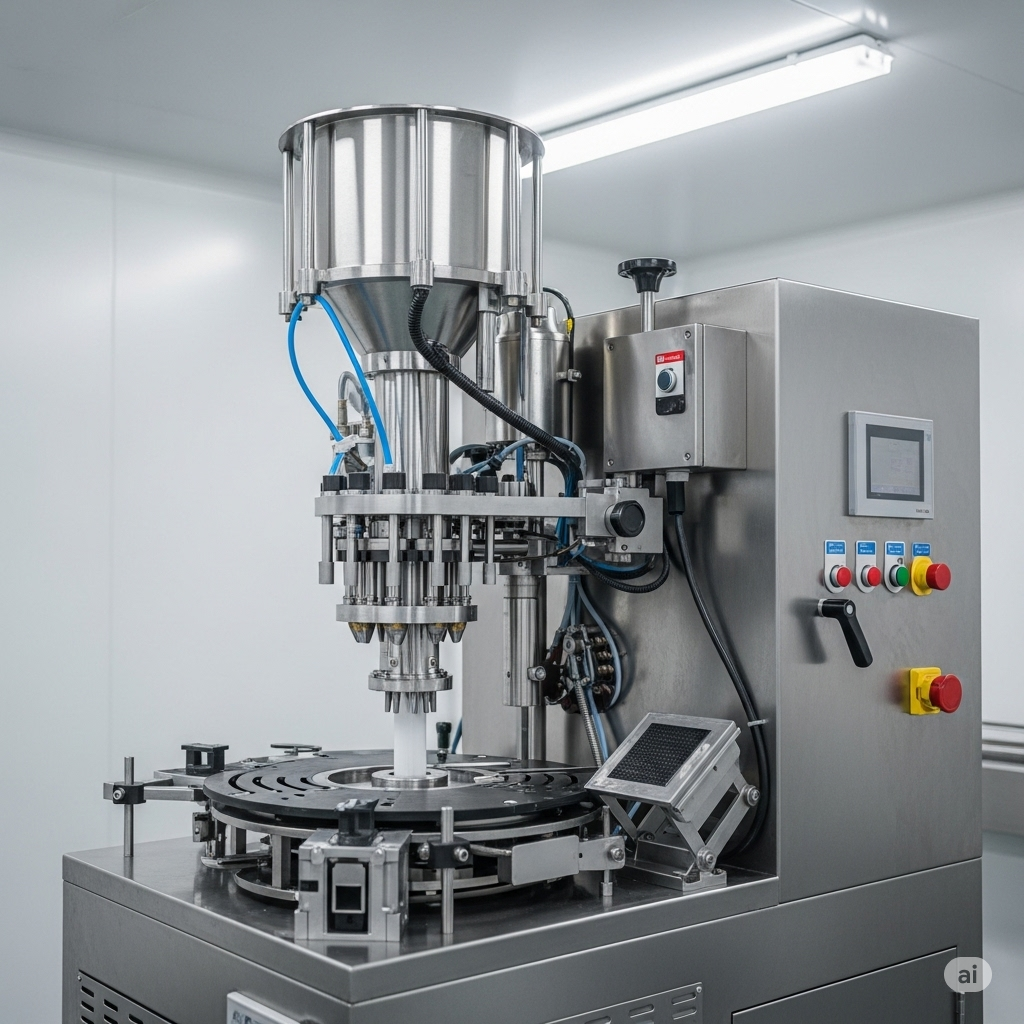
A Tube Filling and Sealing Machine combines filling and sealing operations within the same packaging system. This can simplify the production workflow by allowing tubes to move through multiple stages without requiring separate manual handling between each operation.
Depending on the machine design, the process may include tube loading, tube positioning, filling, sealing, coding, trimming, and finished-tube discharge.
An integrated system can also help manufacturers maintain a more consistent packaging sequence and make better use of available production-floor space.
Automatic Tube Sealing Machine Technology Explained
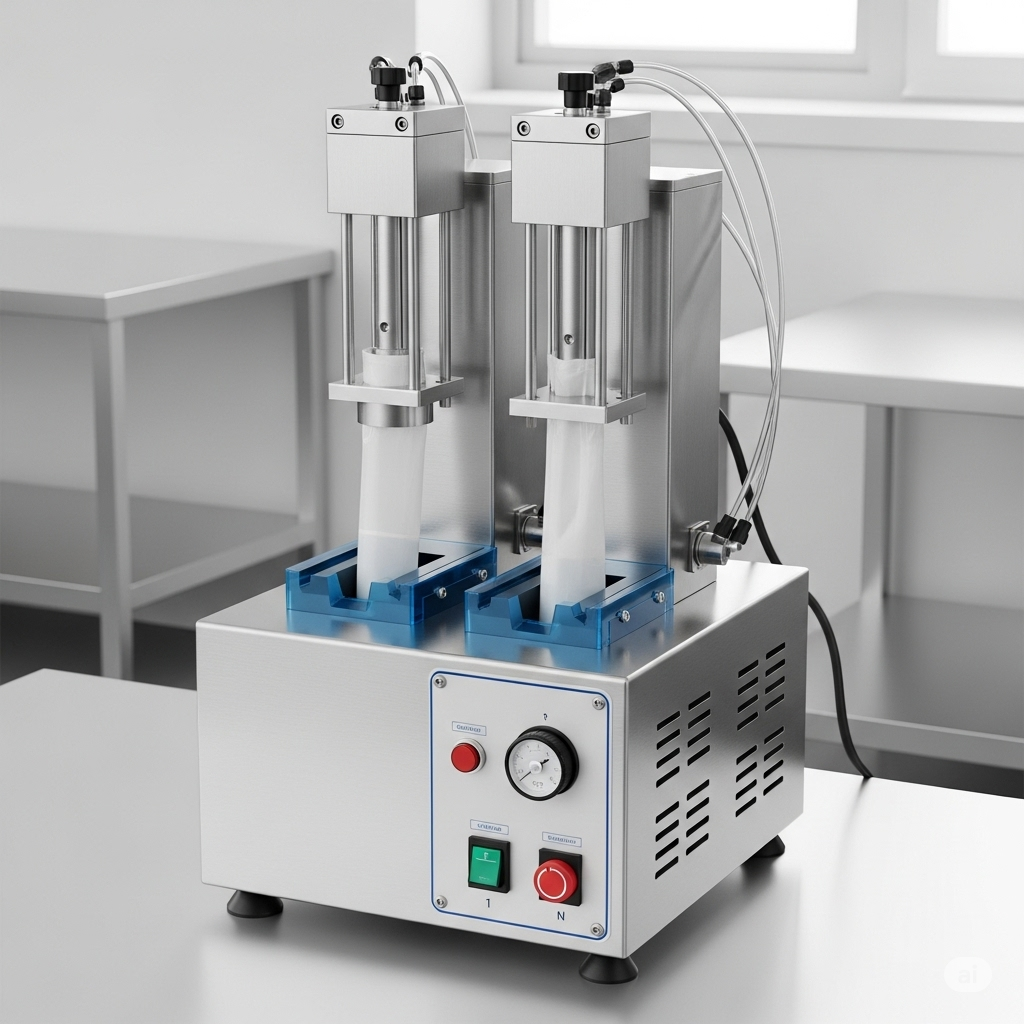
Sealing is an important part of tube packaging because it helps protect the filled product and provides a secure finished package. An Automatic Tube Sealing Machine can use different sealing methods depending on the type of tube and the machine configuration.
Common sealing methods include:
- 1. Heat sealing for suitable plastic and laminate tubes
- 2. Ultrasonic sealing for compatible tube materials
- 3. Folding and crimping for aluminum tubes
The appropriate sealing method depends on factors such as tube material, product characteristics, packaging requirements, and the manufacturer’s machine specifications.
Proper sealing settings are important for achieving consistent results. Manufacturers should therefore evaluate sealing compatibility and conduct suitable trials before starting regular production.
Pharmaceutical Tube Filling Machine Requirements and Standards
Pharmaceutical manufacturing requires careful attention to hygiene, accuracy, product handling, and documentation. A Pharmaceutical Tube Filling Machine should therefore be selected according to the requirements of the specific pharmaceutical application.
Important considerations may include:
- 1. Hygienic machine construction
- 2. Suitable stainless-steel contact parts
- 3. Consistent filling performance
- 4. Easy cleaning and maintenance
- 5. Appropriate sealing arrangements
- 6. Batch and product traceability requirements
- 7. Compatibility with the manufacturing process
- 8. Required documentation and validation support
The exact requirements can vary depending on the product, facility, regulatory requirements, and manufacturing process. Manufacturers should confirm these requirements with their quality and engineering teams before finalizing equipment specifications.
Cosmetic Tube Filling Machine Applications Across the Beauty Industry
A Cosmetic Tube Filling Machine can be used for packaging a range of cosmetic and personal-care products, including creams, gels, lotions, and other suitable formulations.
Cosmetic products can differ considerably in viscosity, packaging design, tube size, and closure type. For this reason, machine flexibility and accurate product handling are important considerations.
When selecting equipment for cosmetic applications, manufacturers should evaluate:
- 1. Product viscosity
- 2. Required filling volume
- 3. Tube dimensions
- 4. Tube material
- 5. Filling nozzle configuration
- 6. Sealing requirements
- 7. Changeover time
- 8. Production capacity
Testing the machine with the actual product formulation and packaging material can help confirm whether the selected configuration meets production expectations.
Key Features to Look for Before You Invest
Choosing tube filling equipment should involve more than comparing purchase prices. The following features can be important when evaluating an automatic system:
- 1. Accurate filling system for consistent product quantities
- 2. Quick-change components to support different tube sizes or products
- 3. Touchscreen HMI controls for convenient machine operation
- 4. Tube detection systems to help manage the filling cycle
- 5. Suitable sealing technology based on tube material
- 6. Hygienic construction for appropriate pharmaceutical and cosmetic applications
- 7. Easy maintenance access to simplify routine servicing
- 8. Safety features to support controlled machine operation
The right combination of features will depend on the product, packaging format, production volume, and operating environment.
Maintenance and Long-Term Reliability
Regular maintenance is important for keeping an automatic tube filling machine operating consistently. A planned maintenance schedule can help identify wear, calibration issues, sealing problems, and other potential causes of production interruptions.
Routine maintenance may include:
- 1. Checking filling components
- 2. Inspecting sealing components
- 3. Cleaning product-contact areas
- 4. Checking sensors and machine controls
- 5. Inspecting moving parts
- 6. Following recommended lubrication procedures
- 7. Replacing worn components when required
Operators should also maintain appropriate machine records and follow the maintenance recommendations provided by the equipment manufacturer.
Using suitable spare parts and arranging periodic technical inspections can further support the long-term operation of the equipment.
How to Choose the Right Automatic Tube Filling Machine
The right machine depends on your specific production requirements. Before purchasing, consider the following questions:
- 1. What type of product will be filled?
- 2. What is the product viscosity?
- 3. What tube material will be used?
- 4. What tube sizes and filling volumes are required?
- 5. What production capacity do you need?
- 6. Which sealing method is suitable?
- 7. How frequently will the machine require product or tube changeovers?
- 8. What hygiene and documentation requirements apply?
- 9. What level of operator training is required?
- 10. What technical and spare-parts support does the supplier provide?
Answering these questions can help narrow down the appropriate machine configuration and avoid selecting equipment that does not match your actual production needs.
Frequently Asked Questions (FAQs)
Choosing Equipment for Long Term Production Efficiency
An Automatic Tube Filling Machine can help manufacturers create a more consistent and streamlined tube packaging process. However, the right equipment should be selected according to the product formulation, tube material, filling requirements, production volume, sealing method, and operational needs.
Square Pharma can help manufacturers evaluate their tube filling requirements and identify suitable equipment configurations for their applications.
If you are planning to install or upgrade a tube filling line, contact Square Pharma to discuss your product, tube specifications, production requirements, and machine options. Request a quotation or speak with our technical team to explore the right solution for your facility.